Choosing a water treatment provider is about much more than comparing equipment specifications or selecting the lowest bid.
For laboratories, healthcare facilities, universities, manufacturers, pharmaceutical operations, and other organizations that depend on consistent water quality, the company supporting the system can be just as important as the equipment itself. A well-designed water treatment system may operate for many years, which means the relationship with your provider can continue long after installation — and that relationship is what our tagline, Pure Water. Proven Performance., is really about.
Service response, engineering knowledge, preventive maintenance, access to replacement components, and the ability to solve unexpected problems all play a role in the long-term value of your investment. Before choosing a water treatment partner, here are the questions worth asking first:
- Do they understand your application?
- Do they offer custom system design?
- How strong is their engineering expertise?
- Are they local enough to respond quickly?
- What does their preventive maintenance program include?
- What happens when something goes wrong?
- Can they support the system throughout its life?
- Are you comparing price or long-term value?
Do They Understand Your Application?
Water treatment is not a one-size-fits-all industry.
A laboratory producing ultrapure water has very different requirements from a hospital, commercial laundry, pharmaceutical facility, or industrial manufacturing operation. Even two facilities within the same industry can have different source water, flow requirements, space limitations, and operational goals.
For example, facilities evaluating hospital RODI systems in Philadelphia may need to consider water quality requirements, system redundancy, available space, service response, and the demands of critical healthcare applications. Those needs can be very different from those of a manufacturing or hospitality facility.
A qualified water treatment partner should take the time to understand how your facility uses water before recommending equipment. That conversation should include questions about:
- Incoming feedwater quality
- Required water purity
- Daily water consumption
- Peak flow demands
- Available installation space
- Current equipment
- Future expansion plans
- Maintenance requirements
If a provider recommends a system before understanding your application, it may be worth asking more questions.
Do They Offer Custom System Design?
Off-the-shelf equipment can work well in some applications, but many facilities benefit from a system designed around their specific needs.
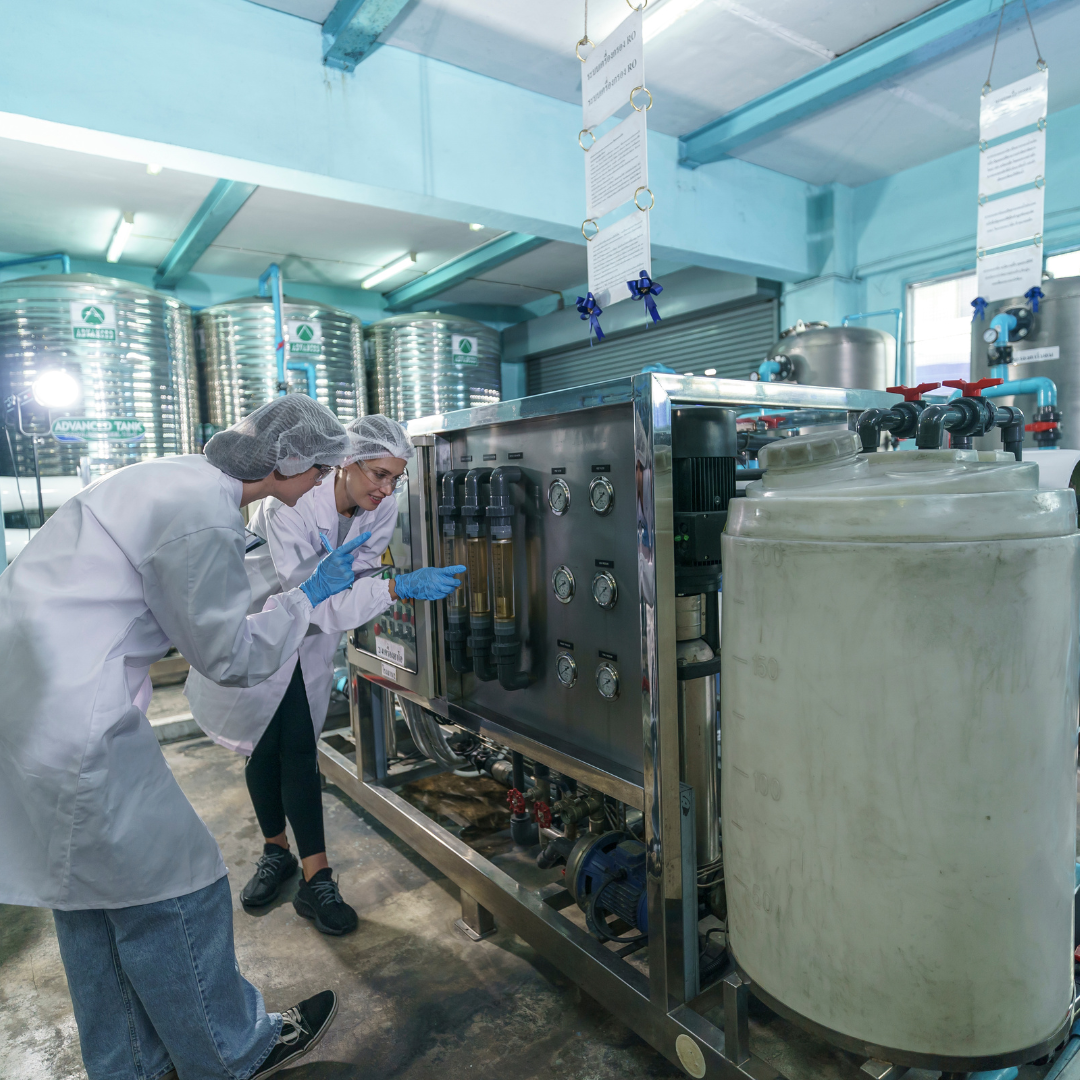
Custom system design allows engineers to consider how pretreatment, reverse osmosis, deionization, storage, distribution, monitoring, and other components work together. A thoughtful design can also account for practical considerations that are easy to overlook, such as available floor space, redundancy requirements, access for maintenance, future capacity needs, and integration with existing equipment.
For organizations researching Wilmington turn-key RO systems, a complete approach can be especially valuable. Turn-key solutions can simplify the process by bringing system design, equipment selection, installation, startup, and ongoing service together under one experienced provider.
The goal should not simply be to install equipment. It should be to create a complete water treatment solution that supports the facility’s operation for years to come. At Neu-Ion, system design begins with understanding the customer’s application, source water, and operational goals so that the equipment fits the facility rather than forcing the facility to adapt to the equipment.
How Strong Is Their Engineering Expertise?
Water chemistry and purification technology can become complex very quickly.
When a system is not performing as expected, the answer may involve more than replacing a filter or adjusting a control. Changes in source water, pretreatment performance, membrane condition, flow rates, pressure, resin performance, or system configuration can all influence water quality.
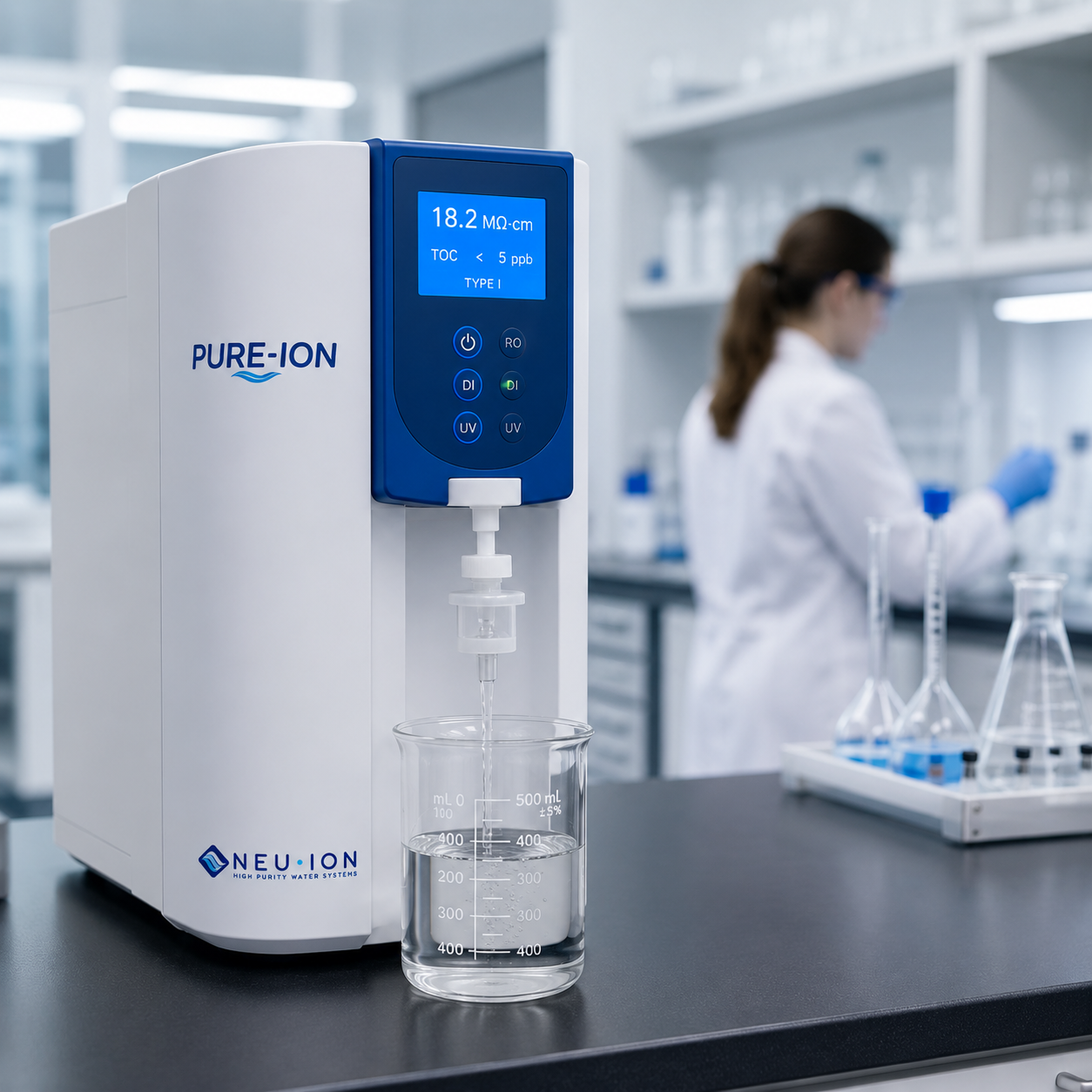
That is why engineering expertise matters. A knowledgeable water treatment partner should be able to look at the entire treatment process and identify the source of a problem rather than simply addressing the most obvious symptom. This becomes especially important for facilities using high purity water systems where consistency and reliability are essential to daily operations.
Are They Local Enough to Respond Quickly?
Location matters when your water system needs service.
A provider located hundreds of miles away may be able to sell and ship equipment, but service becomes more complicated when a technician is needed onsite. Working with a regional water treatment company can provide an important advantage — local technicians understand the systems they support and can often respond more quickly when customers need maintenance, troubleshooting, repairs, or emergency assistance.
Neu-Ion serves customers throughout the Mid-Atlantic, including Maryland, Washington, D.C., Pennsylvania, Delaware, and Virginia. That regional presence allows the team to build ongoing relationships with customers while providing responsive service when it matters. For healthcare teams running RODI systems in Philadelphia-area hospitals, that kind of regional support isn’t a nice-to-have, it’s part of what keeps critical water systems reliable day to day.
What Does Their Preventive Maintenance Program Include?
One of the best ways to reduce unexpected water treatment problems is to address them before they become emergencies.
Ask potential providers what their preventive maintenance programs include and how often equipment should be inspected. Depending on the system, preventive service may involve evaluating filters, pumps, valves, membranes, resin, sensors, control systems, water quality, flow rates, and overall equipment performance.
Regular inspections can help identify developing issues before they cause downtime or affect water quality, and they can help facilities plan equipment replacement more effectively instead of waiting for a component to fail unexpectedly.
What Happens When Something Goes Wrong?
Even well-maintained equipment can experience unexpected problems.
Before selecting a provider, ask what happens when emergency service is required. Questions might include:
- How quickly can someone respond?
- Are experienced technicians available?
- Does the company stock common replacement components?
- Can they troubleshoot multiple types of treatment equipment?
- Do they understand your existing system?
The time to learn the answers to these questions is before an emergency occurs. At Neu-Ion, that means 24/7/365 emergency response, a problem that surfaces at 2 a.m. on a Sunday gets the same attention as one that comes up at 10 a.m. on a Tuesday. A responsive service partner who already understands your facility and equipment can make troubleshooting significantly easier when every hour matters.
Can They Support the System Throughout Its Life?
Installing a water treatment system should be the beginning of the relationship, not the end.
Over time, facilities may need replacement filters, membranes, resin, pumps, controls, system upgrades, additional capacity, re-bedding, or entirely new equipment. A long-term water treatment partner can help customers determine when equipment should be repaired, rebuilt, upgraded, or replaced — and technicians who know the history of a system can often spot trends and potential concerns that might be missed by someone seeing the equipment for the first time.
Neu-Ion has built that kind of continuity as a second-generation, women-owned family business, including operating Maryland’s only pure water resin regeneration plant. That means components like exhausted resin don’t have to be shipped out of state for regeneration, which can mean faster turnaround for customers who depend on it.
This same long-term view matters for facilities that chose a turn-key RO system in Wilmington, since the value of a turn-key relationship extends well beyond the installation date — it’s the ongoing service and technical support behind the equipment that determines how well it performs years down the road.
Are You Comparing Price or Long-Term Value?
Price will always be part of the decision when choosing a water treatment provider. It just should not be the only factor.
The lowest initial price may not provide the best long-term value if the system is poorly sized, difficult to service, inefficient, or supported by a company that cannot respond quickly when problems arise. When comparing providers, weigh the full relationship: engineering capabilities, equipment quality, customization, response time, preventive maintenance, technical support, and the provider’s ability to keep supporting your system for years after installation.
A slightly different upfront investment can make a significant difference in reliability, maintenance costs, and equipment longevity over time.
Choose a Water Treatment Partner, Not Just a Vendor
The best water treatment providers do more than sell equipment. They learn how your organization operates, understand your water requirements, and remain available as those needs change. That is the philosophy behind Neu-Ion’s approach.
From system engineering and customized equipment to preventive maintenance, emergency service, regeneration support, and long-term system care, Neu-Ion works with customers throughout the Mid-Atlantic to provide dependable high purity water solutions backed by responsive local service. It is all part of the company’s commitment to Personalized Care. Family Promise.
If you are evaluating a new water treatment system, considering an upgrade, or looking for a more responsive partner to support your existing equipment, contact Neu-Ion. Visit www.neu-ion.com or call 800-678-4360 to start a conversation about your facility’s water treatment needs.