A commercial water purification system is a long-term investment. Even well-maintained equipment eventually reaches the point where upgrading makes more financial and operational sense than repairing it again. Higher maintenance costs, inconsistent water quality, aging components and changing facility demands can all signal that it’s time for a closer look.
For facility managers who run high-purity water systems in Maryland and across the Mid-Atlantic, knowing when to upgrade helps prevent costly interruptions and protects water quality.
Quick Red Flags
If any of these sound familiar, your system may need an evaluation:
-
Service calls and repair bills that keep climbing
-
Parts that are hard to find or no longer supported
-
Resistivity, TOC or bacteria results that drift out of spec
-
Lower RO permeate flow or a rising pressure drop across membranes or filters
-
DI tank exchanges or regenerations needed more often
-
A system that runs near full capacity most of the time
-
New standards or audits your current monitoring can’t support
Rising Maintenance and Repair Costs
One of the clearest warning signs is a steady rise in service costs. Routine maintenance is essential, but frequent repairs, repeated component failures and unexpected service calls can make an older system increasingly expensive to run.
Look beyond individual repair bills and review your total annual maintenance spending. If that number keeps climbing, a new or upgraded system may be the better value. At Neu-Ion, our goal is always the solution that makes the most sense for your facility, whether that means repairing your existing equipment or recommending an upgrade.
Aging Equipment and Obsolete Components
Water purification equipment doesn’t have a universal expiration date. Its useful life depends on system design, feed water, operating conditions and maintenance history. RO membranes, for example, often last three to five years, depending on pretreatment and feed water quality, while well-maintained pumps, vessels and piping can last much longer.
The challenge with older systems is support. When manufacturers discontinue parts or technical support, obsolete controllers, aging pumps and outdated monitoring equipment make repairs harder and more expensive. They also raise the risk of extended downtime when a critical component fails.
An equipment assessment can show whether targeted component upgrades will extend your system’s life or whether replacement is the better investment.
Inconsistent Water Quality
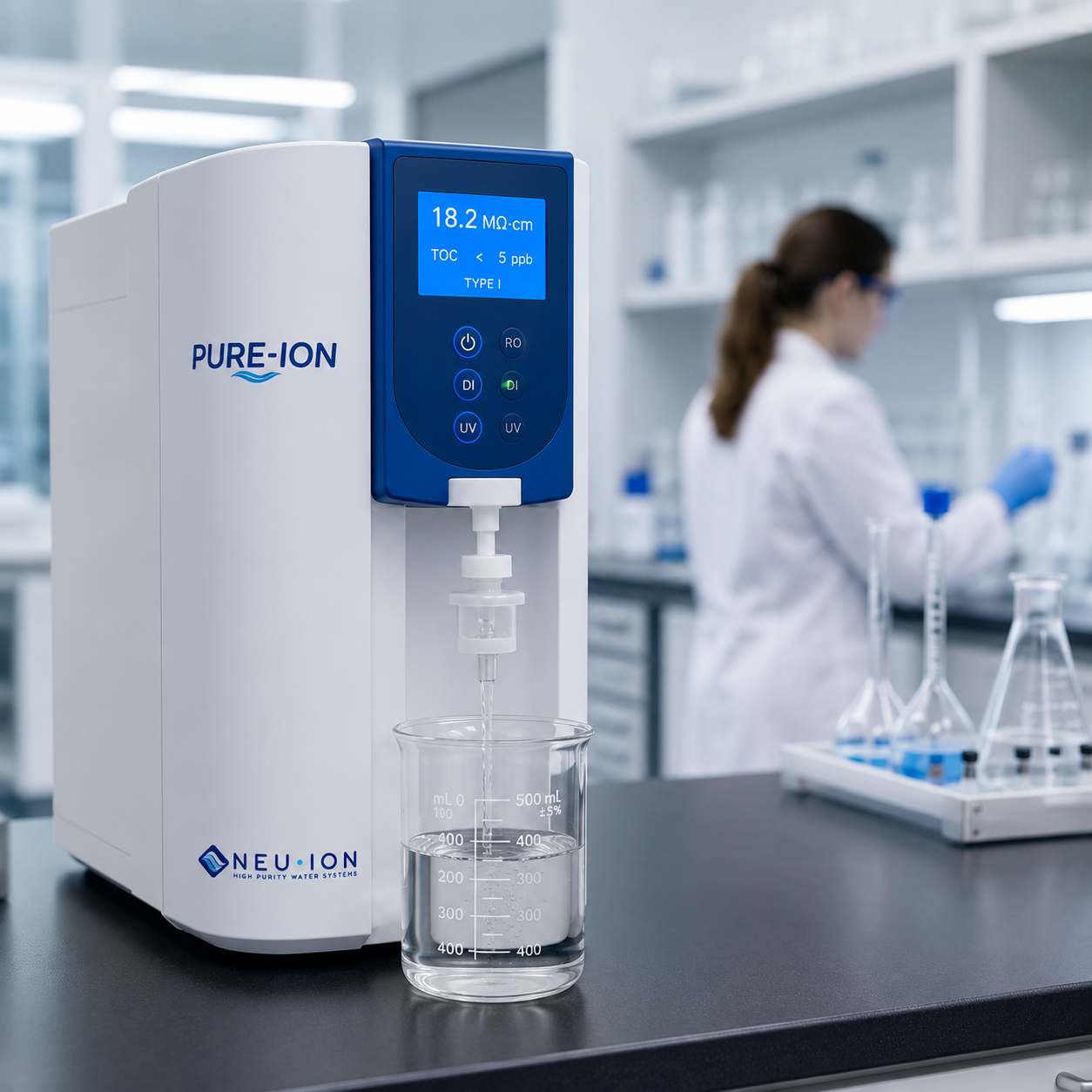
If your system struggles to hold required resistivity/conductivity, TOC, bacteria or endotoxin limits, it deserves immediate attention.
In laboratories, even small changes in water quality can affect sensitive research, testing consistency and instrument performance. Clinical labs often benchmark reagent water against CLSI GP40, so falling short has direct consequences.
Water quality changes can come from membrane deterioration, exhausted resin, inadequate pretreatment, distribution system problems or other factors. Not every issue requires a new system. But recurring problems despite proper maintenance may mean the equipment can no longer reliably meet your facility’s needs. Regular testing and a system evaluation can pinpoint the root cause and guide next steps.
Your Facility’s Water Demands Have Changed
The system installed years ago may no longer match your operation. A laboratory may expand its research capacity. A manufacturer may add processes that need higher flow rates or tighter specifications. For hospitals across Maryland, RO/DI systems often need reassessment when a facility expands services, adds equipment or sees water use grow.
When a system runs near its capacity most of the time, performance and reliability suffer. An upgrade is a chance to evaluate production capacity, storage, distribution and future expansion together. Planning ahead is far easier than reacting once demand outpaces what your system can deliver.
Changing Standards and Compliance Requirements
Water quality requirements change as industry standards, regulations and facility procedures evolve.
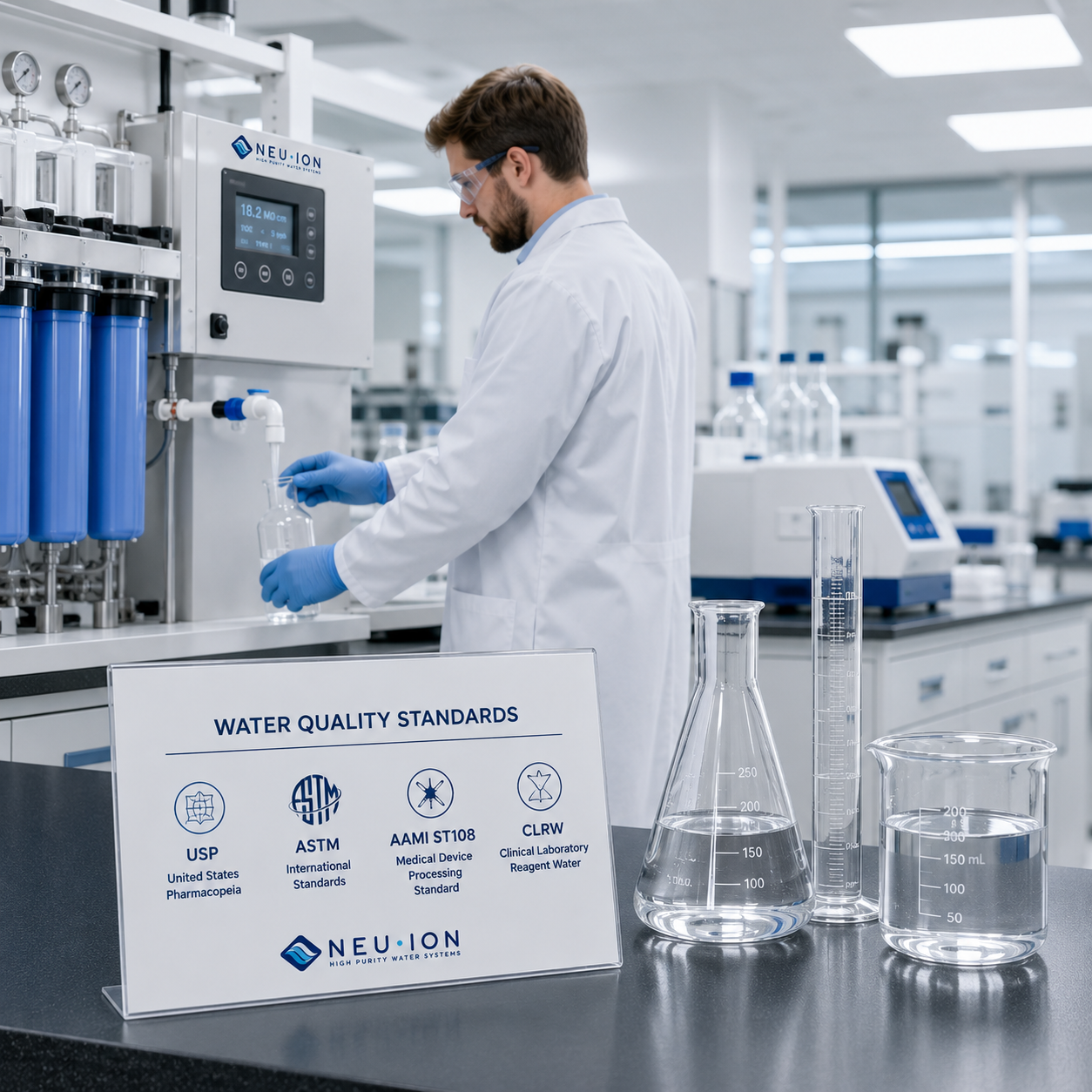
Healthcare facilities that process medical devices, for example, now need to evaluate their water systems against ANSI/AAMI ST108, which sets water quality requirements for medical device processing. Pharmaceutical operations must meet United States Pharmacopeia requirements, including USP <645> for conductivity and USP <643> for TOC, with guidance in USP <1231>.
An older system may still run mechanically but lack the monitoring, documentation or performance needed to meet current requirements. Review the applicable standards periodically and confirm your system can keep meeting them. Depending on what you find, you may need improvements to instrumentation, treatment processes or the overall system.
When Does Replacement Make More Sense Than Repair?
Equipment age alone shouldn’t drive the decision. A sound evaluation weighs several factors:
-
Repair history: Are maintenance costs rising year after year?
-
Reliability: How often does the system have unplanned downtime?
-
Water quality: Can the equipment consistently meet required specifications?
-
Operating costs: Could newer equipment reduce energy use, water waste or maintenance?
-
Future needs: Will the current system support expected growth?
-
Total cost: How does upgrading compare with continued repairs over the next several years?
Sometimes replacing individual components or improving pretreatment is enough. Other times, a complete upgrade delivers far better reliability and value. The right answer depends on understanding the system, its application and your facility’s priorities.
Plan Your Next Step With Neu-Ion
Replacing a water purification system is a significant decision. But continuing to invest in aging equipment without weighing the alternatives can cost you more in expenses and risk.
Neu-Ion works with facilities throughout Maryland, Pennsylvania, Delaware, Virginia and Washington, D.C. We provide design, engineering and consultation, along with preventive maintenance and ongoing system support. We’ll help you assess your current equipment, clarify your water quality requirements and find practical options for improving performance.
Whether the answer is continued maintenance, targeted modernization or complete replacement, our priority is helping you make an informed decision that serves your facility for years to come.
Is your water purification system showing signs of age? Schedule a free system assessment. Call Neu-Ion at 800.678.4360 or visit neu-ion.com.
Personalized Care. Family Promise.