Author name: Admin

Industrial Water Softener Maryland
Blog

How Water Softeners Protect High Purity Water Systems

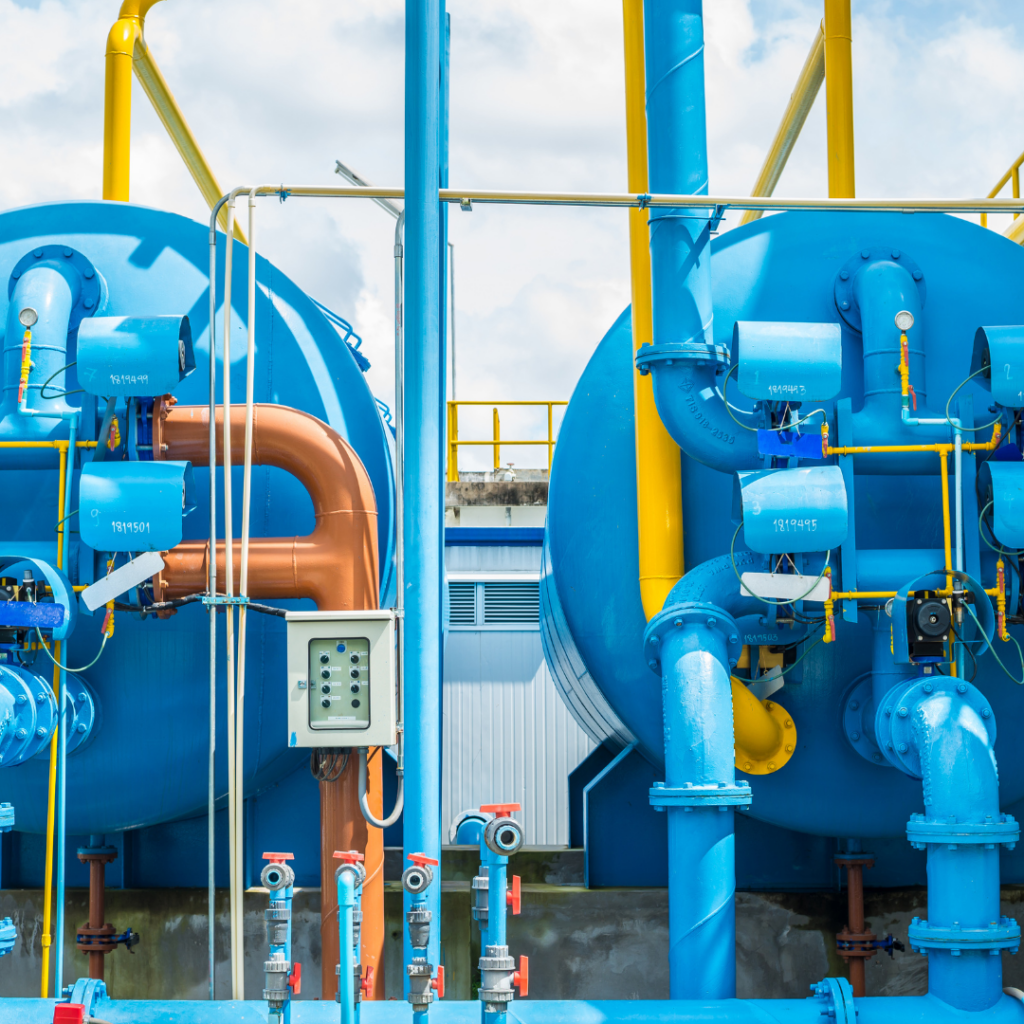
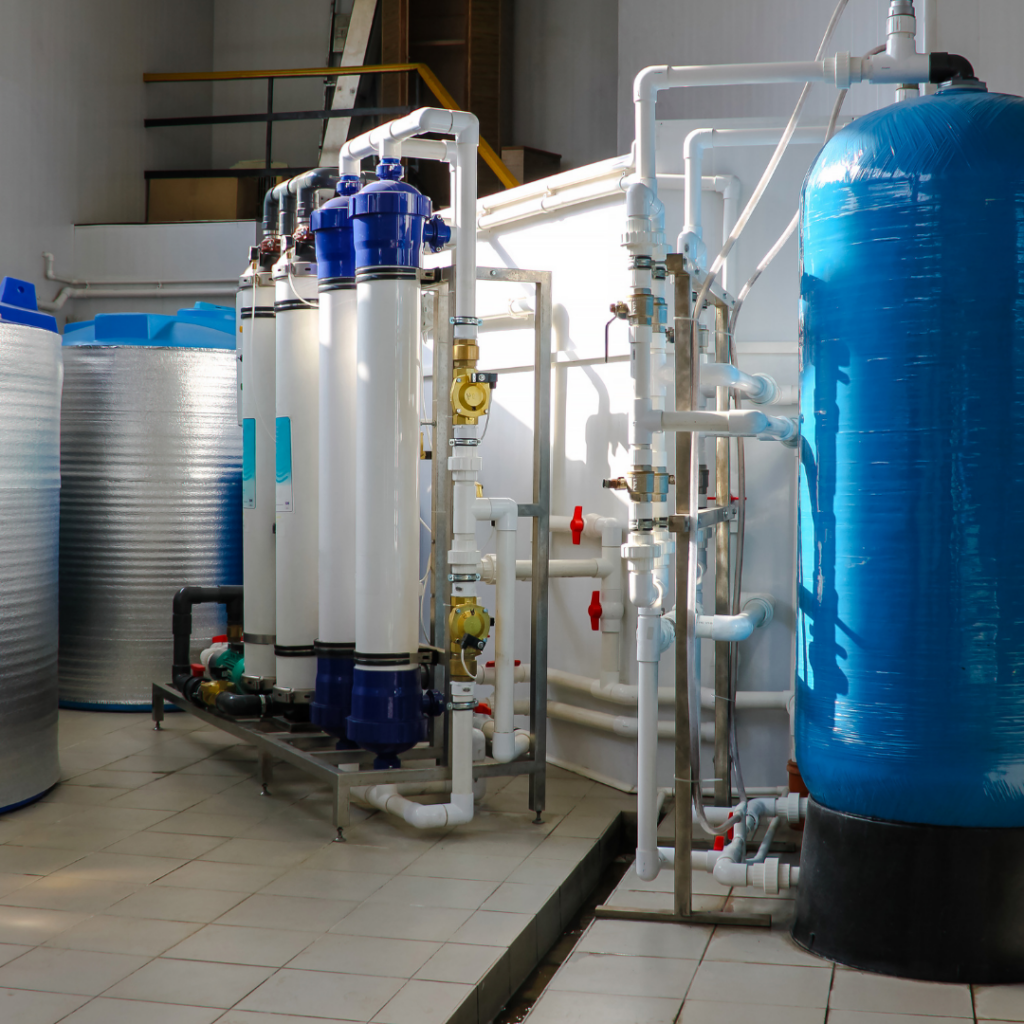
When organizations invest in a high-purity water system, they expect dependable performance, consistent water quality, and equipment that delivers value for years to come. Whether serving a healthcare facility, laboratory, pharmaceutical manufacturer, university, or industrial operation, protecting that investment starts before the water ever reaches a reverse osmosis (RO) membrane or deionization (DI) system. One of the most important pieces of that protection is the water softener. Although it often operates quietly in the background, a properly maintained water softener helps prevent mineral-related problems that can reduce system efficiency, increase maintenance costs, and shorten the lifespan of critical treatment equipment. For organizations researching water softeners in Richmond, Virginia, understanding the role of water softening is an important first step in building a reliable and efficient water treatment system. What Is Hard Water? Before understanding why a water softener is important, it helps to understand hard water. Hard water contains elevated levels of naturally occurring dissolved minerals, primarily calcium and magnesium. The concentration of these minerals varies depending on the local water source. Some regions have relatively soft municipal water, while others have water that contains significant hardness and requires pretreatment before entering sensitive equipment. As hard water is heated or pressurized inside a water treatment system, calcium and magnesium can form scale deposits on internal components. Over time, this buildup reduces efficiency, restricts water flow, and forces equipment to work harder. Knowing the hardness of your incoming feedwater is one of the first steps in determining whether a water softener is recommended. A professional water analysis can identify hardness levels and help determine the most effective pretreatment solution for your facility. What Does a Water Softener Do? A water softener removes hardness through an ion exchange process. As water flows through the softener, calcium and magnesium ions are exchanged for sodium ions before the water enters downstream treatment equipment. This simple but highly effective process helps prevent scale formation before it can affect expensive purification equipment. Instead of allowing hardness minerals to accumulate inside the system, softened water provides a cleaner source for reverse osmosis units, deionization systems, piping, valves, storage tanks, and other critical treatment equipment. Why Hard Water Can Damage High Purity Water Systems Even relatively small amounts of hardness can create significant problems over time. Mineral deposits gradually build inside pumps, valves, flow meters, piping, storage tanks, ultraviolet chambers, and other treatment components. As scale accumulates, water flow decreases, operating pressures increase, and overall system efficiency begins to decline. Perhaps the greatest benefit of water softening is protecting reverse osmosis membranes. Protecting Reverse Osmosis Membranes Reverse osmosis membranes are among the most valuable components within a high-purity water system. When calcium and magnesium accumulate on membrane surfaces, water production decreases while operating pressures increase. Scaling also reduces membrane efficiency, requiring more frequent cleaning and potentially shortening membrane life. Installing a properly sized water softener significantly reduces the likelihood of mineral scaling, allowing RO equipment to perform more efficiently and helping extend the life of these expensive membranes. Supporting Deionization Systems Water softeners also play an important supporting role in deionization systems. Softened water helps prevent precipitation-driven fouling within the cation resin beds and improves regeneration efficiency. Cleaner resin beds allow regenerated resin to perform more consistently, helping regeneration facilities operate more efficiently while supporting reliable water quality throughout the treatment process. Although the softener is not intended to increase the life of the resin itself, it contributes to a more effective and efficient regeneration process by preventing hardness-related fouling. Beyond Laboratories and Manufacturing Water softeners are commonly associated with laboratories and industrial facilities, but they provide valuable benefits across many commercial applications. Healthcare campuses, hospitality facilities, universities, apartment complexes, manufacturing plants, and commercial laundry operations all depend on large volumes of water every day. Commercial laundries and hotels, in particular, benefit significantly from softened water. Without calcium and magnesium interfering with detergents, soaps and cleaning chemicals work more effectively. This often allows facilities to reduce soap and chemical usage while producing cleaner linens, towels, uniforms, and other textiles. In addition to improving cleaning performance, softened water helps reduce scale buildup inside boilers, water heaters, piping, and laundry equipment, contributing to lower maintenance costs and longer equipment life. Lower Operating Costs Over Time Installing a commercial water softener is an investment that helps reduce the overall cost of owning and operating a high-purity water system. Facilities often experience benefits such as: Over the life of the system, these savings often outweigh the initial investment in proper pretreatment equipment. Maintaining and Rebuilding Water Softeners Like any critical piece of water treatment equipment, water softeners require routine maintenance to continue operating at peak performance. Regular service may include verifying hardness removal, checking regeneration settings, inspecting valves, evaluating resin performance, and ensuring the entire system is functioning properly. Eventually, the cation exchange resin inside a water softener reaches the end of its service life. Fortunately, this does not always require replacing the entire unit. In many cases, the softener can be rebuilt by re-bedding the pressure vessel with new cation resin. Feedwater quality plays an important role in determining resin lifespan. In areas with highly chlorinated municipal water, chlorine gradually oxidizes the cation resin over time. This oxidation reduces the resin’s effectiveness and may require more frequent re-bedding than systems supplied with lower chlorine concentrations. Routine inspections help determine when rebuilding is appropriate, allowing facilities to restore performance while maximizing the value of their existing equipment. Choosing the Right Water Softener Every facility has unique water quality requirements, making proper system design essential. Factors that influence equipment selection include: A properly sized and professionally engineered water softener protects the entire treatment system while minimizing operating costs and improving long-term performance. Organizations searching for commercial water softeners in Wilmington, Delaware often benefit from a complete evaluation of their water treatment process. Understanding source water quality and overall system requirements helps ensure every component works together efficiently. Protect Your Water Treatment Investment High purity water systems are designed to produce reliable, consistent

Blog

Why Water Quality Requirements Are Becoming More Specialized

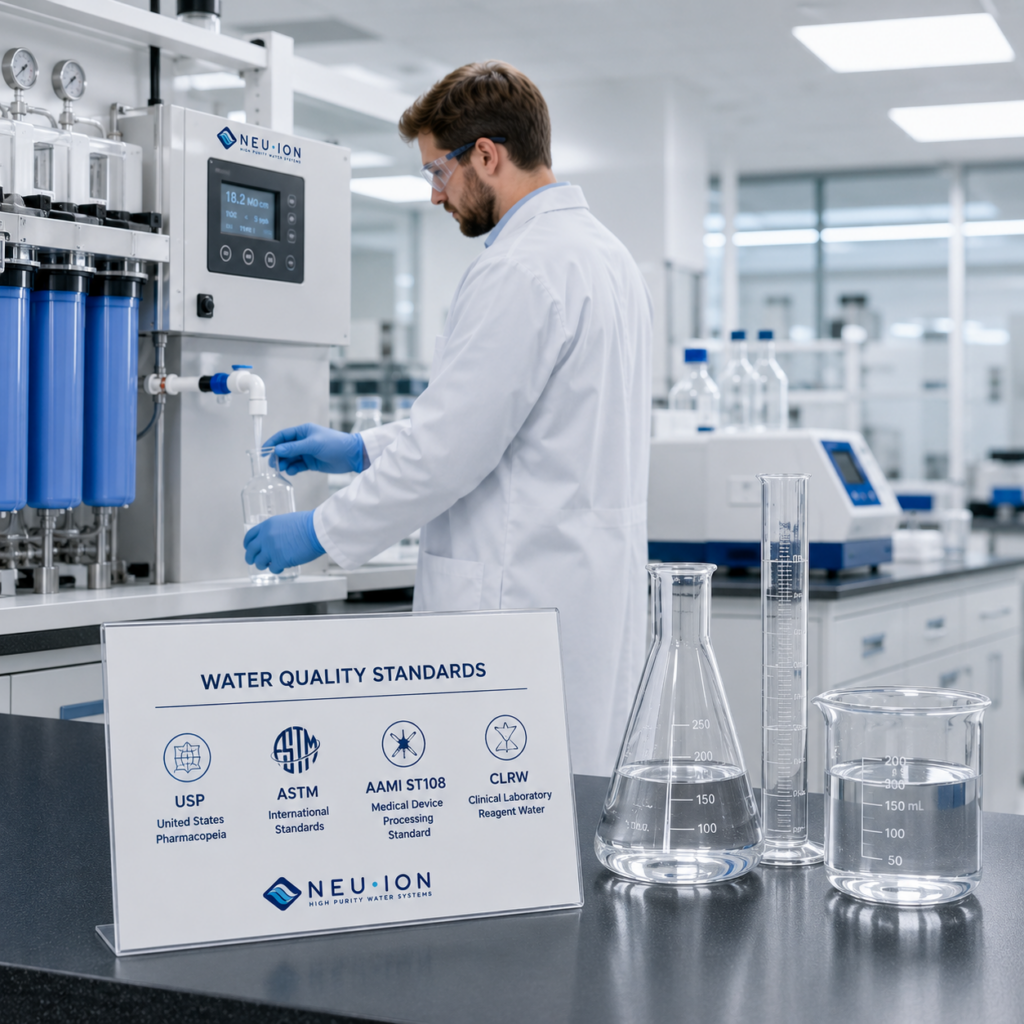
Twenty years ago, many facilities viewed water treatment as a utility. Today, it has become a critical process component that directly impacts product quality, patient safety, research accuracy, and operational efficiency. Whether supporting a hospital, research laboratory, pharmaceutical manufacturer, or industrial operation, water quality now plays a much larger role in daily operations than many people realize. As industries continue to evolve, facilities are facing increasingly specific water quality requirements driven by technology, regulations, and performance expectations. The result is a growing need for water treatment systems that are designed around the application rather than relying on a one-size-fits-all approach. Regulatory Standards Are Raising Expectations One of the biggest reasons water quality requirements are becoming more specialized is the growing number of industry regulations and standards. Organizations today must consider guidance and requirements from standards such as USP, ASTM, AAMI ST108, and Clinical Laboratory Reagent Water (CLRW) specifications. These standards help define water quality requirements for specific applications, including laboratory testing, medical device processing, pharmaceutical production, and healthcare operations. As these standards continue to evolve, facilities must ensure that their water systems can consistently produce water that meets the required specifications. This often means that a single facility may have multiple water quality requirements depending on how the water is being used throughout the building. Different Applications Require Different Water Quality One of the most common misconceptions about water treatment is that all purified water serves the same purpose. In reality, different processes often require very different levels of treatment. Consider a healthcare facility where sterile processing equipment, laboratory testing, and building humidification all rely on water. Each application may require a different level of treatment, even though they exist under the same roof. Designing one system to meet every requirement can increase cost and complexity without improving performance. The same principle applies across many industries. A laboratory conducting analytical testing may require Type I water for highly sensitive procedures. Another department may only need Type II water for routine testing and reagent preparation. Equipment rinse applications may function perfectly with Type III water. Understanding these differences helps facilities select treatment solutions that provide the appropriate level of purification without overengineering the system. Why Oversized Systems Are Not Always Better When facilities begin evaluating water treatment options, there is often a tendency to focus on future growth and maximum capacity. While planning ahead is important, oversized systems can introduce unnecessary costs and operational challenges. Larger systems typically require more space, higher utility consumption, additional maintenance, and larger capital investments. In many cases, a properly designed system that matches actual demand provides better efficiency and long-term value. Organizations seeking pure water systems in Richmond, Virginia are increasingly looking for customized solutions that align with their operational requirements instead of investing in infrastructure that exceeds their needs. The goal is not simply to produce more purified water. The goal is to produce the right water quality for the right application. Modern Water Treatment Offers More Flexibility Than Ever Today’s water treatment technologies allow facilities to take a much more strategic approach to purification. Compact point-of-use systems, centralized treatment systems, RO-EDI technologies, deionization systems, and advanced monitoring capabilities provide flexibility that was not available years ago. Facilities can now select technologies based on their specific applications, available space, growth plans, and regulatory requirements. For example, organizations evaluating DI water systems in Washington D.C. often discover that modern system configurations allow them to achieve required water quality standards while maintaining flexibility for future expansion. This ability to tailor a system around actual operational needs helps improve both performance and cost efficiency. Looking Beyond Equipment Specifications Flow rates, storage capacities, conductivity levels, and resistivity measurements are important considerations when evaluating water treatment equipment. However, successful projects involve much more than technical specifications. Facilities must also consider serviceability, maintenance requirements, future scalability, compliance obligations, and operational objectives. A system that performs well on paper may not be the best fit if it cannot support future growth or accommodate changing regulatory requirements. The most successful water treatment projects begin with understanding the application and designing a solution around those specific needs. Building a Water Treatment Strategy for the Future Water quality requirements will continue becoming more specialized as industries evolve and standards become more stringent. Facilities that take a proactive approach to water treatment planning are often better positioned to adapt to changing regulations, support operational growth, and maintain long-term performance. At Neu-Ion, we help organizations evaluate their water quality requirements, understand applicable standards, and develop solutions tailored to their unique applications. Whether the need is a compact point-of-use system, a centralized purification system, or a combination of technologies, our focus is always on delivering reliable performance and long-term value. If you’re planning a new facility, upgrading aging equipment, or evaluating whether your current system still meets your operational goals, Neu-Ion can help assess your requirements and develop a solution tailored to your application. Call us today!

Blog

Why More Facilities Are Choosing PURE-ION® Point-of-Use Water Systems

Not every facility needs a large central water treatment system. Many laboratories, healthcare offices, research facilities, and manufacturing operations only require high-purity water at a specific workstation, analyzer, sterilizer, or process. Investing in a large centralized system for a relatively small application can increase costs, consume valuable space, and add unnecessary complexity. That is why more organizations are exploring point-of-use water purification systems. At Neu-Ion, our PURE-ION® product line provides a flexible, reliable solution for customers who need high-quality water without the footprint of a large-scale installation. Available in multiple sizes and configurations, PURE-ION® systems deliver purified water directly where it is needed while meeting the performance standards required by many critical applications. What Is a Point-of-Use Water Purification System? A point-of-use system produces purified water at the point of use rather than distributing water throughout an entire facility. This approach allows organizations to install purification equipment exactly where it is needed, whether in a laboratory, medical office, research facility, quality control department, or manufacturing area. Neu-Ion’s PURE-ION® systems are designed to meet a wide range of application requirements and can be configured to produce water that meets Type I, Type II, or Type III water quality standards depending on the customer’s needs. This flexibility makes them an excellent choice for facilities that require reliable purified water but do not have the demand for a large central treatment system. Organizations seeking high-purity water solutions in Philadelphia often find that a point-of-use system provides the ideal balance of performance and affordability. Understanding Type I, Type II, and Type III Water Quality Not all purified water is created equal. Different applications require different levels of water purity. Type I water represents the highest purity level and is commonly used for analytical laboratory procedures, molecular biology applications, and highly sensitive testing. Type II water is often used for general laboratory work, reagent preparation, and clinical testing. It provides a high level of purity while supporting a broader range of routine laboratory applications. Type III water is frequently used for glassware rinsing, feedwater for higher-purity systems, and other applications where ultra-high purity is not required. The ability to configure PURE-ION® systems to achieve these varying water quality standards allows facilities to select a solution that aligns with both their operational requirements and budget. For laboratories evaluating a lab water purification system in Wilmington, understanding the required water quality standard is often one of the most important steps in selecting the right system. A Smart Solution for Laboratories and Healthcare Facilities Many organizations need purified water but do not need a building-wide treatment loop. A research laboratory may only require purified water for a handful of instruments. A healthcare facility may need purified water for sterilization support equipment in a specific department. A manufacturing operation may require deionized water at a single production workstation. In these situations, a compact PURE-ION® system often provides the ideal balance of performance, footprint, and cost efficiency. Rather than overbuilding a water treatment system, facilities can install purification exactly where it is needed. Many customers exploring deionized water systems in Wilmington appreciate the ability to deploy a reliable system quickly without the complexity and cost associated with larger centralized installations. Flexible High Purity Water Solutions for Growing Organizations One of the reasons customers choose Neu-Ion is flexibility. Organizations have different water quality requirements, space limitations, budgets, and growth plans. Some need a compact benchtop system. Others require higher flow rates or additional storage capacity. Future expansion may also influence system selection. The PURE-ION® family was developed to accommodate these varying requirements. Multiple models and configurations allow customers to select a solution that fits their current needs while supporting future growth. Whether serving a healthcare facility in Pennsylvania or a research laboratory in Delaware, Neu-Ion works closely with customers to develop customized high-purity water solutions in Philadelphia and throughout the surrounding Mid-Atlantic region. Why Point-of-Use Systems Continue to Grow in Popularity Point-of-use systems have become increasingly popular because they allow organizations to focus water treatment exactly where it creates value. They require less space, can often be installed more quickly, and provide a practical path to achieving high quality water without investing in infrastructure that exceeds actual demand. For organizations searching for a lab water purification system in Wilmington or evaluating deionized water systems in Wilmington for a specialized application, these systems offer an efficient and scalable solution. Most importantly, they provide dependable access to purified water while simplifying operation and maintenance. Finding the Right Water Treatment Partner Choosing a water purification system is about more than equipment specifications. It is about understanding how water supports your operations today and how those needs may evolve tomorrow. At Neu-Ion, we work closely with customers to identify the right solution for their specific application. Sometimes that means a large centralized system. Other times, a PURE-ION® point-of-use system is the perfect fit. Whether you need Type I, Type II, or Type III water quality, our team can help you select a system designed around your operational requirements, available space, and long-term goals. If your facility is exploring high-purity water solutions in Philadelphia, researching a lab water purification system in Wilmington, or comparing deionized water systems in Wilmington, Neu-Ion can help you find a solution that delivers reliable performance without unnecessary complexity.

water purification in Pennsylvania
Blog

Understanding AAMI ST108 and Why the Right Water Partner Matters

In healthcare environments, water is not just a utility. It plays a direct role in patient safety, equipment performance, and regulatory compliance. As standards evolve, facilities are being asked to take a closer look at how water is managed, monitored, and maintained. One of the most important updates in recent years is AAMI ST108. This standard focuses on water quality for the processing of medical devices, and it raises the bar for how facilities approach water treatment. For many organizations, understanding AAMI ST108 is the first step. The next step is finding the right partner to help meet and maintain those standards with confidence. What AAMI ST108 Means for Healthcare Facilities AAMI ST108 provides clear guidance on water quality used in medical device processing. This includes water used for cleaning, rinsing, and sterilization. The goal is to reduce risk by ensuring that water does not introduce contaminants that could compromise patient safety or device performance. This standard shifts the conversation from general water use to application-specific water quality. Not all water in a facility needs to meet the same requirements, but critical processes demand a much higher level of control. Facilities now need to evaluate how water is produced, stored, distributed, and monitored throughout their systems. That includes understanding microbial levels, chemical composition, and system design. Meeting these expectations requires more than equipment alone. It requires a complete approach to system design, maintenance, and ongoing validation. The Challenges Behind Compliance While the goals of AAMI ST108 are clear, implementation can be complex. Many facilities are working with legacy systems that were not originally designed to meet these updated requirements. Others may not have full visibility into how their water systems are performing on a daily basis. There is also the challenge of consistency. Water quality can change over time as system components wear, filters become less effective, and environmental conditions shift. Without proper monitoring and maintenance, even well-designed systems can fall out of compliance. On top of that, healthcare teams are already managing a wide range of responsibilities. Adding water system oversight without the right support can create additional pressure on internal staff. This is where having the right partner becomes critical. How Neu-Ion Supports AAMI ST108 Compliance At Neu-Ion, we work closely with healthcare facilities to align their water systems with AAMI ST108 requirements. Our approach starts with understanding how water is being used within the facility and identifying the areas where higher purity and tighter control are required. From there, we design and implement systems that are built for those specific applications. This includes high purity water systems that support cleaning and sterilization processes with consistent and reliable performance. We also focus on system integration and distribution. It is not enough to produce high-quality water at one point. That quality must be maintained throughout the system, all the way to the point of use. Beyond design and installation, ongoing service plays a key role. Regular monitoring, maintenance, and validation help ensure that systems continue to perform as expected over time. This is essential for maintaining compliance and avoiding unexpected issues. Our team brings both technical expertise and real-world experience in healthcare environments. That allows us to provide practical solutions that fit within the daily operations of each facility. Built for Standards. Backed by Experience. Meeting AAMI ST108 requirements is not just about checking a box. It is about creating a system that supports patient safety, protects equipment, and performs reliably day after day. Neu-Ion is built around that philosophy. We combine thoughtful system design with proactive service and long-term support. The result is a water treatment approach that helps facilities stay ahead of evolving standards instead of reacting to them. Healthcare environments demand precision, consistency, and accountability. With the right partner, those expectations become easier to manage. A Smarter Path Forward As AAMI ST108 continues to shape best practices in healthcare water systems, facilities that take a proactive approach will be in a stronger position. They will have systems that are designed for their applications, supported by consistent maintenance, and aligned with current standards. Neu-Ion is proud to be a partner in that process. We help healthcare organizations move forward with confidence, knowing their water systems are built for performance, compliance, and peace of mind. If your facility is evaluating AAMI ST108 or looking to strengthen its water treatment strategy, our team is ready to help you take the next step. Call us today at 1-800-678-4360 to learn more!

Water treatment in Virgina
Blog

What Most Facilities Miss About Water Until It Is Too Late

Water is everywhere in your facility, yet it rarely gets the attention it deserves. It runs quietly behind the scenes, supporting processes, equipment, and compliance requirements. Most of the time, it works exactly as expected. That is why it often goes unnoticed. Until it does not. At Neu-Ion, we have seen a consistent pattern across industries. Water systems are overlooked when they are working and urgently addressed when they fail. That reactive cycle creates unnecessary risk, higher costs, and operational stress that can be avoided with a more intentional approach. The Hidden Role Water Plays in Daily Operations Water is not just a utility. It is a critical input that directly impacts performance, product quality, and equipment longevity. In healthcare environments, it supports sterilization and patient safety. In food and beverage production, it affects consistency and compliance. In industrial settings, it protects equipment and enables efficient processes. When water quality drifts outside expected ranges, the effects are rarely isolated. Scaling can damage equipment. Contaminants can compromise outcomes. Inefficiencies can increase energy and operating costs. These issues often build slowly, making them easy to miss until the consequences become difficult to ignore. Why Small Changes Lead to Bigger Problems Water treatment systems do not typically fail all at once. Instead, performance gradually shifts over time. Filters become less effective. Membranes begin to lose rejection efficiency. Resin beds approach exhaustion. Valves experience wear that impacts flow and control. Individually, these changes may seem minor. Collectively, they create a system that is no longer operating as designed. Without regular monitoring and maintenance, these small changes compound. What starts as a minor inefficiency can turn into equipment damage, compliance concerns, or unexpected downtime. Moving From Reactive to Proactive The difference between reactive and intentional water system management is simple. One waits for problems. The other prevents them. An intentional approach focuses on understanding how your system is performing today and what it needs to perform tomorrow. It means tracking key indicators, maintaining critical components, and addressing wear before it becomes failure. At Neu-Ion, we work closely with our customers to shift that mindset. Instead of asking what went wrong, we focus on what can be improved before issues arise. This shift not only reduces risk but also creates a more stable and predictable operating environment. The Value of Consistency in Water Treatment Consistency is one of the most overlooked advantages of a well-maintained water system. When systems are regularly serviced and properly monitored, performance becomes more predictable. Water quality stays within expected parameters. Equipment operates more efficiently. Teams spend less time troubleshooting and more time focusing on core operations. This consistency also supports long term planning. When you know your system is being maintained correctly, you can make better decisions about upgrades, expansions, and future investments. It creates confidence across the organization. A Partner That Sees the Full Picture Water treatment is not just about equipment. It is about understanding how water interacts with your specific processes, goals, and challenges. That is where the right partner makes a difference. At Neu-Ion, we do not take a one size fits all approach. We evaluate each system based on its application, usage, and criticality. From there, we develop strategies that support both immediate performance and long-term reliability. Our goal is to help customers move beyond short term fixes and toward a more sustainable approach to water system management. Staying Ahead Instead of Catching Up The most successful facilities are not the ones that avoid problems entirely. They are the ones that stay ahead of them. By taking a proactive approach to water treatment, you reduce uncertainty, protect your equipment, and create a more stable operating environment. You also position your team to respond quickly when conditions change. Water may not always be top of mind, but it should never be an afterthought. When it is managed intentionally, it becomes one of the most reliable and valuable parts of your operation.

Water purification
Blog

Why Predictable Water Treatment Service Matters More Than Ever

Water treatment systems are not something most facilities think about every day. However, when something goes wrong, the impact is immediate. Production can slow down. Compliance risks increase. Costs rise fast. At Neu-Ion, we see this happen far too often when maintenance is reactive instead of planned. That is exactly why we created our Value, Preferred, and Elite Service Packages. These service agreements are designed to remove uncertainty, reduce downtime, and give our customers peace of mind. Rather than responding to problems after they occur, we focus on preventing them in the first place. A Smarter Approach to System Care Every water treatment system needs regular attention to perform properly. Filters require routine replacement. Resin and carbon beds degrade over time. UV lamps have a finite operating life of approximately 8,000 hours. DI tanks eventually exhaust. RO membranes gradually allow more ions to pass. Valves wear down. Performance slowly drifts. Without proactive service, efficiency declines and operating costs quietly rise. Our service packages create a structured approach to system care. We schedule inspections, testing, and maintenance based on system type, usage, and the critical nature of the application. This allows us to identify issues early and keep systems operating within expected performance ranges. Instead of guessing when service is needed, our customers know what to expect and when to expect it. The Value Service Package for Essential Coverage The Value Service Package is ideal for organizations that want dependable support without overcomplicating system maintenance. It provides the foundational level of care every water treatment system needs to remain reliable and compliant. With this package, we focus on routine service visits, performance checks, and the minimum recommended preventative maintenance for the system. This option works well for facilities with stable water demands that still want professional oversight from a trusted water treatment partner. The Value Service Package helps reduce unexpected failures while keeping service costs predictable throughout the year. The Preferred Service Package for Proactive Performance For facilities that rely heavily on consistent water quality, the Preferred Service Package offers an elevated level of support. This package builds upon the Value Service Package by including emergency service during regular business hours and priority scheduling. Depending on the system and its application, service frequency may increase to better support performance and reliability. We also take a deeper look at operating trends and make adjustments before small inefficiencies become larger problems. Customers on this plan often experience improved system longevity and more consistent water quality. A written report detailing system operating parameters and findings is provided and emailed the next business day. This package is well-suited for operations where downtime directly impacts daily operations. The Elite Service Package for Total Peace of Mind The Elite Service Package is our most comprehensive offering. It is designed for customers who require maximum reliability, priority response, emergency service coverage 24 hours a day, 7 days a week, 365 days a year, and long-term system optimization. With this package, Neu-Ion acts as an extension of your team. We perform detailed system evaluations, advanced maintenance planning, and rapid response when service is needed. Our goal is to eliminate surprises and keep your water treatment system operating at peak performance year-round. This level of service is ideal for mission-critical environments where water quality and system uptime are essential, including many healthcare applications. Predictable Costs and Stronger Long-Term Value One of the biggest advantages of a service agreement is cost control. Instead of reacting to emergency repairs and unplanned downtime, customers benefit from predictable annual service expenses. Neu-Ion also offers discounts on expendables when a service agreement is in place. Over time, this proactive approach reduces the total cost of ownership. Systems last longer. Performance remains stable. Emergency calls become less frequent. That combination delivers measurable value beyond routine maintenance. Partnering With Neu-Ion for Long-Term Success At Neu-Ion, we believe service should be proactive, transparent, and tailored to each customer. Our Value, Preferred, and Elite Service Packages reflect that philosophy. No matter which package you choose, you gain a dedicated water treatment partner focused on protecting your system, your operations, and your peace of mind. When water treatment works the way it should, you can focus on running your business with confidence. Learn more about which service package is right for your facility at https://www.neu-ion.com/value-preferred-elite-service-packages/.

Map of the eastern seaboard
Blog

Reliable Water Solutions Across the Mid-Atlantic

At Neu-Ion, we believe clean, reliable water is the foundation of healthy operations and strong communities. Every day, we work with organizations across the Mid-Atlantic to support water systems that people depend on without a second thought. From healthcare facilities to commercial and industrial environments, our focus is simple. We help make water dependable, consistent, and easier to manage. We serve clients throughout Maryland, Delaware, Washington D.C., Pennsylvania, and Virginia. While every facility is different, the need for reliable water remains the same. Our role is to provide water treatment services that support daily operations, protect infrastructure, and reduce unexpected issues before they arise. Our Approach to Water Treatment Services Our services are designed around how water is actually used in real environments. Rather than offering generic solutions, we take the time to understand each facility and its specific needs. This allows us to support water systems that perform consistently over time. We work with facilities where water quality directly affects safety, efficiency, and comfort. By helping maintain stable water conditions, we support better outcomes for equipment, staff, and the people who rely on these spaces every day. Serving Maryland with Reliable Water Support In Maryland, we partner with a wide range of facilities that depend on clean water to operate smoothly. From healthcare environments to commercial buildings, and even the University of Maryland, water plays a critical role in daily performance. Learn more about our work with a bioresearch facility in Maryland. Our work in Maryland helps clients maintain predictable water quality that supports sanitation, system longevity, and overall confidence in their operations. We understand the importance of reliability and work closely with our Maryland clients to deliver consistent results. Supporting Delaware Organizations Delaware facilities rely on water systems that can handle daily demands without interruption. We work with organizations across the state to help reduce system stress and prevent avoidable disruptions. By addressing water challenges early, we help Delaware clients stay focused on their work instead of reacting to unexpected problems. Our goal is to support water systems that simply work as expected. Water Solutions for Washington D.C. Facilities Washington D.C. is home to complex environments where infrastructure reliability is essential, considering this is the seat of the U.S. government. We support facilities throughout the district by providing water treatment services that align with demanding operational needs. Whether supporting biotechnology operations or supporting military or governmental organizations, our work in Washington D.C. centers on maintaining consistent water performance in environments where there is little room for error. Working With Pennsylvania Across Industries Pennsylvania’s diverse industries bring a wide range of water system requirements. We work with clients throughout the state to help manage water quality in manufacturing, healthcare, industrial and commercial settings. By supporting water systems that perform consistently, we help Pennsylvania facilities reduce downtime, protect valuable equipment, and maintain stable operations. Serving Virginia With Regional Experience In Virginia, we support organizations that depend on reliable water to meet daily demands. Our experience across the Mid-Atlantic allows us to bring regional insight and responsive service to Virginia facilities. With data centers expanding across the state, our services are crucial to ensuring servers stay cool and run smoothly. We work closely with our Virginia clients to help maintain water quality that supports safety, efficiency, and long-term performance. A Mid-Atlantic Partner You Can Count On Serving Maryland, Delaware, Washington D.C., Pennsylvania, and Virginia allows us to combine regional expertise with personalized service. At Neu-Ion, we take pride in helping organizations across the Mid-Atlantic protect one of their most essential resources. In fact, we’ve even done work outside of our region. That’s how committed we are to the success of our clients, especially when it’s the United States Navy! If your facility depends on clean, dependable water, we are ready to support you. Explore our website to learn more about our services and how we help organizations across the Mid-Atlantic operate with confidence.

water
Blog

Beyond Thirst: The True Value of Clean Water

Water rarely gets credit when things are going well. When it flows, tastes right, and works the way it should, most people never think twice about it. That silence is not accidental. It is the result of systems doing their job and people behind the scenes making sure everything works as expected. At Neu-Ion, we believe that is where the real value of clean water lives. Not in complexity, but in confidence. When water is reliable, people stop worrying and start living. When Water Works, You Stop Noticing It The best water systems are invisible. They fade into the background of daily life and allow routines to happen without interruption. People expect their day to move smoothly. They assume the water will be there when they need it. That assumption is built on trust. Once that trust is broken, everything changes. Small inconveniences become daily frustrations. Equipment fails. Processes slow down. People begin to question something they never thought about before. Reliable water removes that burden entirely. Why Reliability Matters More Than You Think Clean water is not just about use. It is about consistency. Businesses, facilities, and communities depend on water behaving the same way every day. That reliability protects equipment, supports operations, and reduces stress across the board. When water quality is consistent, maintenance becomes predictable. Planning becomes easier. Unexpected disruptions happen less often. Over time, this stability saves money, preserves resources, and helps people focus on their actual work instead of reacting to problems. The Human Side of Infrastructure Water systems are part of the infrastructure people rely on but rarely see. They support health, safety, and comfort without demanding attention. That quiet support matters more than most people realize. Clean water helps environments feel safe. It supports sanitation. It protects materials and surfaces. It creates confidence in shared spaces. Whether people are at work, at home, or in public settings, water influences how comfortable and secure those spaces feel. How Clean Water Supports Better Outcomes When water is treated and maintained properly, it creates a ripple effect. Facilities operate more smoothly. Equipment lasts longer. Teams work more efficiently. Issues are prevented instead of managed after the fact. This does not just improve systems. It improves experiences. Employees feel fewer disruptions. Customers notice consistency. Decision makers gain peace of mind knowing a critical resource is under control. Why This Work Matters to Us At Neu-Ion, we care about water because it touches everything, even when people are not thinking about it. Our work supports the moments that feel effortless to others. That is not boring to us. That is meaningful. We focus on solutions that keep water dependable, predictable, and trusted. Not because people want to think about water more, but because they deserve not to. A Partner You Can Rely On Clean water should never be a daily concern. If you are responsible for a facility, a business, or a system that depends on water working exactly as it should, Neu-Ion is here to help. Reach out to our team to start a conversation about protecting the reliability you count on every day.

Hospital worker washing hands
Blog

The Quiet Role of Water in a Working World

When people think about purified water, they often picture something simple: a clean drink, a clear glass, a healthy habit. For us at Neu-Ion, clean water means much more than that. It’s in the hospitals where lives are saved, in the labs where discoveries are made, and in the facilities where essential products are built every day. Every piece of equipment, every rinse, and every process that depends on water relies on purity. While most people never think about what’s flowing through their systems, we do. It’s what we’ve been doing since 1991—helping businesses protect their operations with water that performs the way it should. The Quiet Power Behind the Process Water plays an invisible but powerful role in how the world works. In a healthcare facility, it might sterilize instruments that help save lives. In a data center, it helps control humidity so delicate servers stay protected. In an industrial plant, it ensures that production runs smoothly and consistently. That’s the part of the story most people never see. They see results like efficient production, stable power, and safe procedures, but not the purified water that makes it all possible. Behind those results are our technicians, systems, and services, all designed to ensure that water purity is never an afterthought. Every project we take on begins with listening. Understanding a customer’s system, process, and goals allows us to design a solution that fits. Not something generic, but something personal. That level of detail turns complex systems into reliable ones. Why Water Quality Matters So Much When water is inconsistent, problems happen quickly. Minerals build up. Filters clog. Equipment corrodes or overheats. What starts as a small maintenance issue can grow into a serious operational setback. Pure water helps stop those problems before they start. Reverse osmosis and deionization remove minerals and ions that can harm sensitive systems. UV sterilization eliminates bacteria without chemicals. When these processes are supported by preventive maintenance and testing, everything runs the way it should. Reliable water quality doesn’t just protect systems, it protects people too. The doctors, engineers, and technicians who depend on that consistency every day can do their jobs knowing that what’s behind the scenes is handled with care. Building Partnerships That Last Our clients often describe the same experience: a team that shows up, pays attention, and takes ownership. We don’t just install a system and leave. We stay connected through ongoing maintenance, testing, and service plans that grow with each client’s needs. For many of our customers, those relationships go back decades. They know the technician who walks through their door. They recognize the voice on the phone. And they know that when something needs attention, we’ll take care of it. This approach has helped us build trust with a wide range of industries, from healthcare and biotechnology to manufacturing and research. Each process may be different, but our promise is the same. The water will perform, and so will the system. The Human Side of What We Do What makes us unique isn’t just the technology—it’s the people who stand behind it. Every system we build, test, and deliver represents the effort of a team that understands why precision matters. When a client calls with an urgent need, it isn’t just another job. It’s a chance to solve a problem that might affect hundreds of people down the line. That’s what drives us. It’s a sense of responsibility that goes beyond the equipment itself. It’s easy to see water as something ordinary, but in the right hands, it becomes something extraordinary. Clean water connects innovation and safety, reliability and trust. And we’re proud to be part of that connection. We’re Looking Ahead As technology advances and industries evolve, one thing remains constant: the need for reliable, high-purity water systems. Whether we’re designing a new setup, upgrading existing infrastructure, or maintaining a long-standing system, our focus stays the same. We help people and businesses do what they do best by ensuring the water behind their success is pure, consistent, and dependable. If you’re ready to see how water purification can make a difference in your operations, we’d love to help. Contact our team to learn more about our services and how we can support your goals. Personalized Care. Family Promise.
industrial manufacturing
Blog

Pure Water Drives Industrial Strength and Reliability

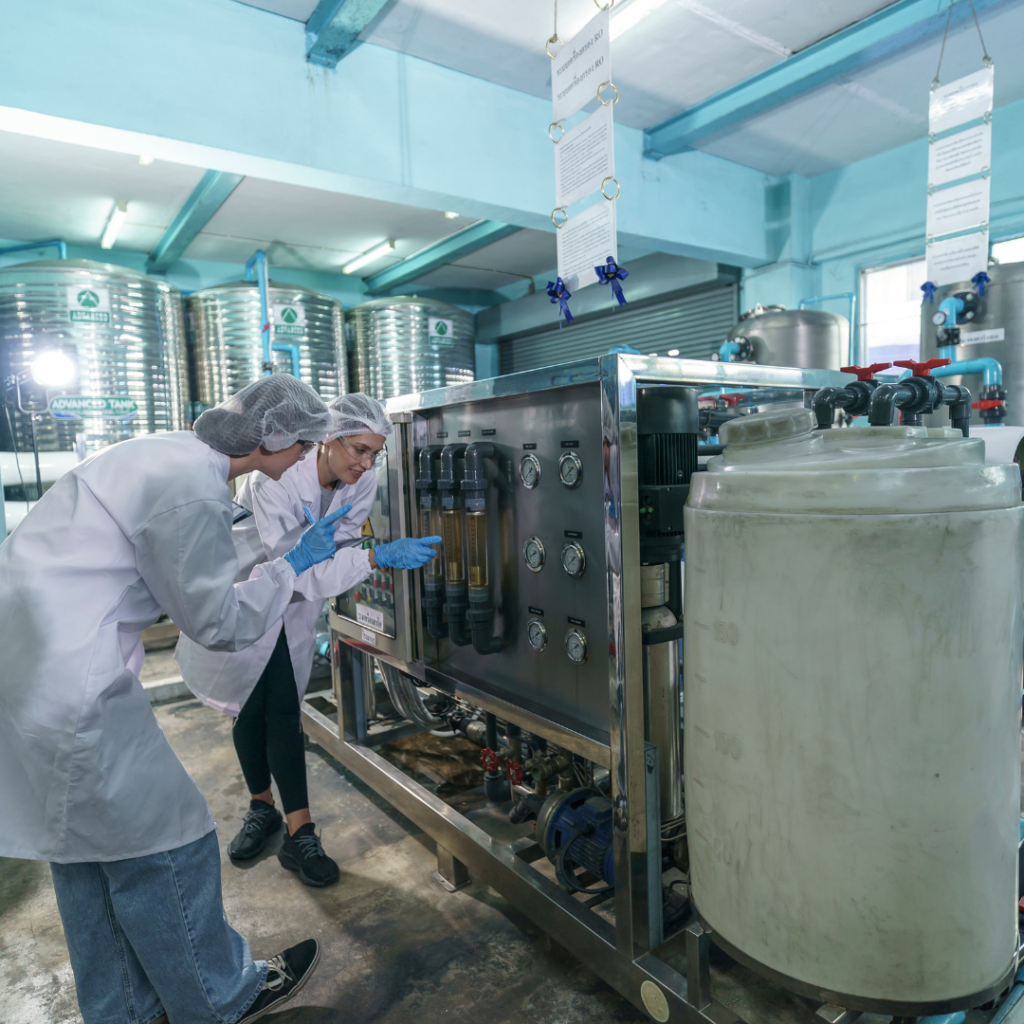
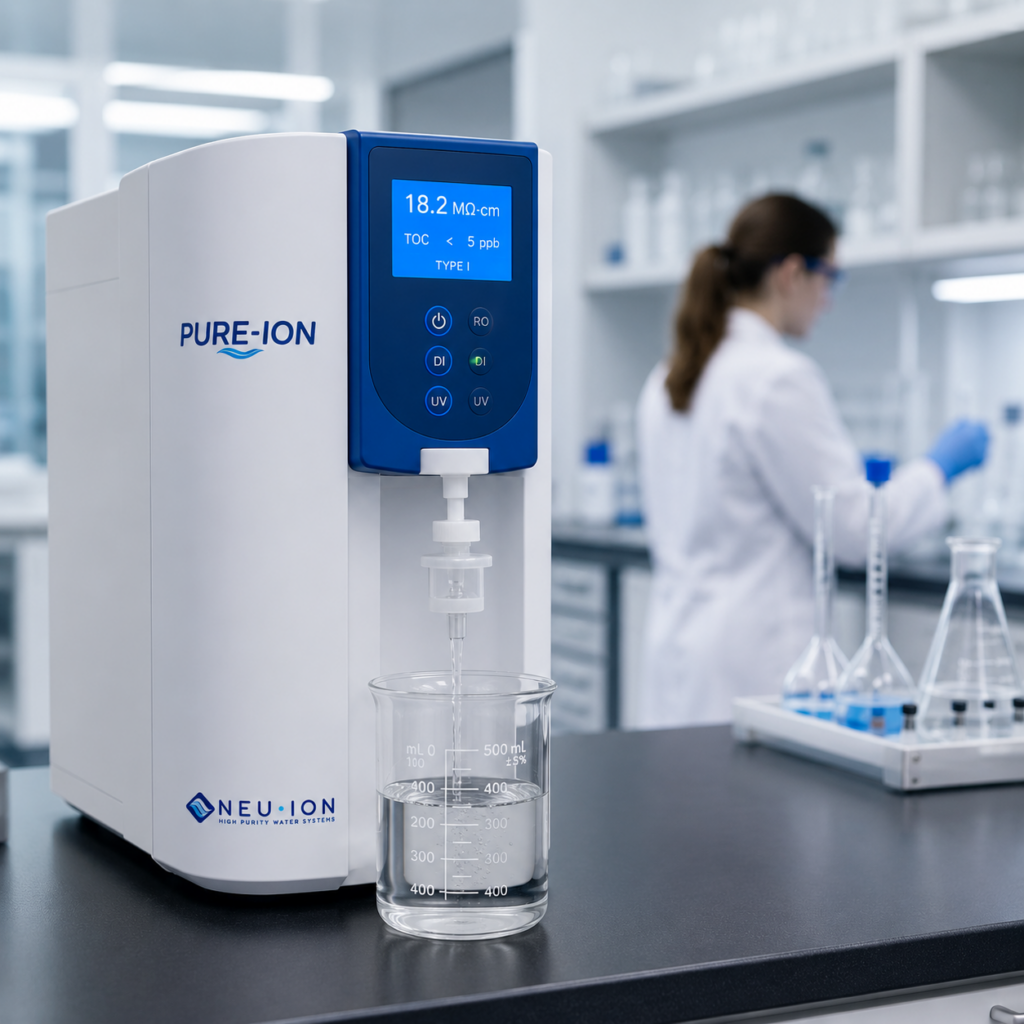
Industrial operations are among the toughest environments for water systems. Steam boilers, injection systems, washdown lines, and process rinses all demand water that won’t cause damage or downtime. Impurities in your supply can lead to scale, corrosion, bacteria buildup, and costly repairs. Neu-Ion’s industrial water purification services turn raw water into consistent, high-quality water that protects your equipment and your process outcomes. Why Industry Demands More Than Municipal Water Municipal or groundwater supplies may meet drinking water standards, but industrial processes often need a higher bar. Even trace amounts of calcium, sodium, chloride, organics, or microbes can interfere with sensitive equipment or chemistry. For example, a boiler might see deposit formation, instruments might drift, or valves could deteriorate faster. One of the promising developments in filtration research involves using novel membrane materials that better reject “forever chemicals” and heavy metals, pushing the limits of what industrial purification can achieve. Such innovations raise the bar for what “clean water” means in demanding settings, as shown in recent reviews of purification technologies. How Neu-Ion Delivers Purified Water the Right Way We apply a layered approach suited to your needs: We don’t just install equipment and walk away. We engineer systems that anticipate seasonal stresses, fluctuating demand, and changes in the source water. We test, monitor, and adjust as needed so your system continues to operate reliably. Examples of Where It Matters Across every sector, purified water reduces risk, extends equipment life, and ensures consistent results—all of which improve uptime and lower total cost of ownership. Meeting Today’s Industry Standards Industrial facilities today face greater scrutiny around process water quality, waste management, and energy use. Modern purification systems are designed to meet both operational and regulatory expectations by improving system efficiency and reducing waste streams. Neu-Ion integrates proven treatment methods—such as RO, DI, and UV sterilization—to help clients maintain compliance with EPA and local water quality guidelines. Our service doesn’t end after installation. Regular water testing and preventative maintenance keep your systems running within specification and ensure long-term reliability. This proactive approach not only helps customers stay compliant but also extends the lifespan of their infrastructure. A Bridge to Our Other Insights If you’ve explored our post about water system sanitization in healthcare, you’ll recognize the same pillars: purity, system integrity, and repeatable performance. We apply these principles across all markets. You deserve water solutions built for your process, not generic ones. If you manage an industrial operation and want water systems that work quietly, reliably, and precisely, let’s talk. Our team is ready to design a solution that protects your process, your equipment, and your peace of mind. Personalized Care. Family Promise.
Scroll to Top